Emergency Plumbing for Renters: What You Can and Can’t Fix
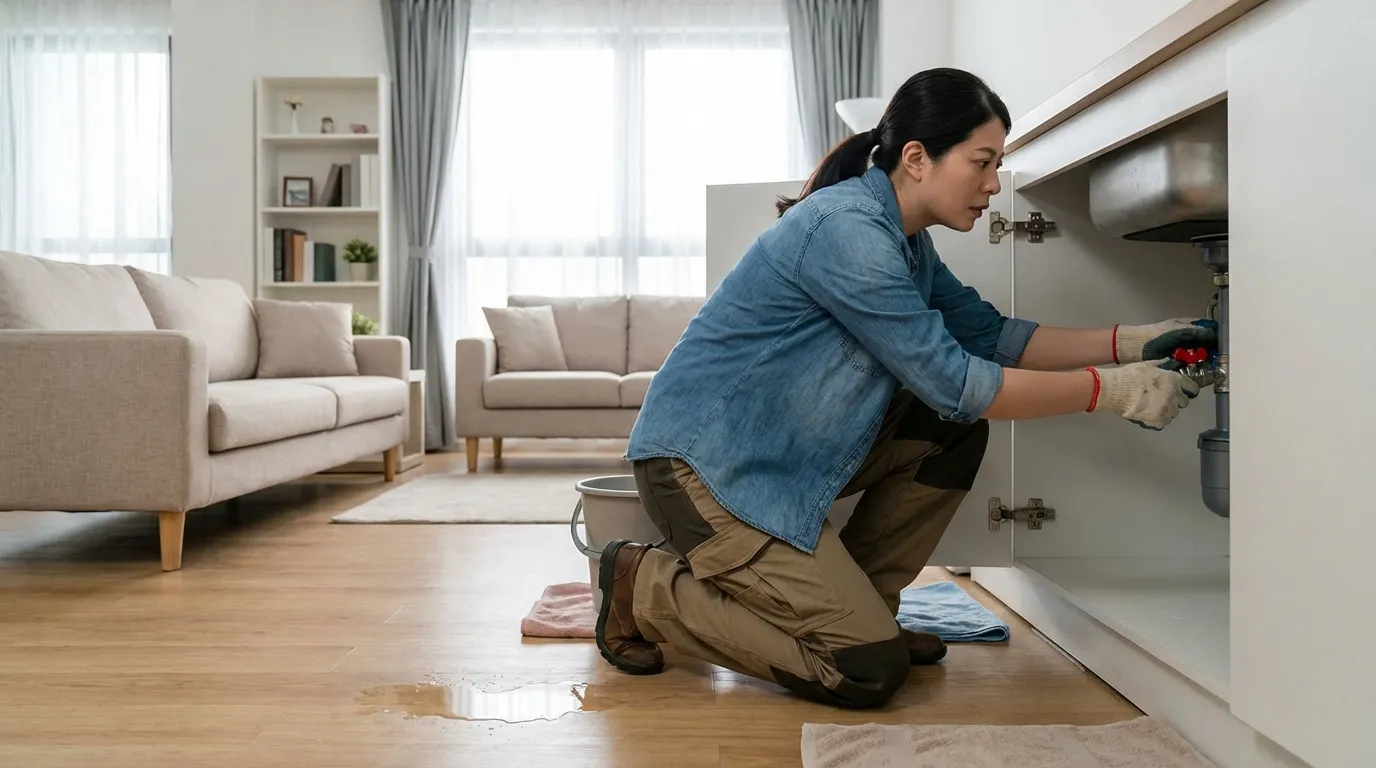
Plumbing emergencies rarely show up at a good time. They usually strike late at night or right before work (because timing has a sense of humor), and storms often turn a bad situation into a worse one. Late hours, bad timing, water rising fast. If you rent, that stress can feel even heavier, especially when water is spreading and you’re trying to think straight (which isn’t easy). Questions stack up quickly: who’s responsible, what you’re allowed to touch, and how to stop damage without putting your lease at risk. Pressure like that builds fast, and that’s when clear, simple guidance on emergency plumbing for renters matters most.
Emergency plumbing for renters isn’t the same as for homeowners. Renters often have specific rights, but there are also clear limits you need to stay within, and those limits matter more than many people realize. Knowing where that line is can save money, protect your belongings, and help you avoid legal trouble later. It also helps you decide when it’s okay to act on your own and when calling a professional is the safer choice, since guessing under stress rarely ends well.
This guide looks at common apartment plumbing problems, renter plumbing rights, and safe emergency steps. No fluff, just what’s useful. It explains what renters can fix, what should never be touched, and how to handle those first tense minutes, like finding a leak at midnight, before damage spreads. For additional preparation tips, see How to Prepare for Plumbing Emergency at Home.
Understanding Emergency Plumbing as a Renter
Emergency plumbers are often fully booked, especially outside regular business hours, nights and weekends are usually the toughest. Industry data shows these calls often cost more, and wait times can be hard to predict, which adds stress when something is already going wrong. Because of this, it helps for renters to know what to expect before an issue hits and quick choices are needed.
An emergency plumbing problem is anything that can cause flooding, sewage exposure, no running water, or damage to the building. For renters, these situations can get worse faster than expected. A small leak in one apartment can start affecting neighbors below in minutes, which raises the stakes for everyone.
Below are a few key numbers renters should know when dealing with an apartment plumbing emergency.
| Emergency Factor | Typical Range | Why It Matters to Renters |
|---|---|---|
| Emergency plumber cost | $100, $500 per visit | Unexpected costs if landlord cannot be reached |
| After-hours rates | $60, $600 per hour | Nights and weekends cost more |
| Emergency search spikes | Up 191% seasonally | Delays are common during peak times |
IBISWorld analysts explain how common and important emergency work is across the plumbing industry, which helps explain why these jobs are handled the way they are.
Emergency repair work (e.g., unclogging drains or repairing burst water mains) represents a significant source of industry revenue.
For renters, this usually comes down to two things: emergencies happen more often than most people think, and a rushed DIY fix that goes wrong can quickly turn into an expensive problem, especially if other units are affected.
What Renters Can Safely Fix Right Away
Some plumbing problems need a professional, but there are a few emergency steps renters can usually take without risking a lease issue. These are simple, low‑risk actions, nothing fancy or permanent. They’re about staying calm and handling the moment, not doing real repairs. Often, they give you a little breathing room while waiting for a plumber or hearing back from a property manager. The main goal is to limit water damage until help shows up.
What usually helps most is stopping the water and dealing with small, visible issues you can clearly see. That means no power tools and no pulling things apart. Landlords and property managers often accept these early steps because they cut down damage right away, which can save money, stress, and a long back‑and‑forth later. Less water spreading around usually means fewer problems for everyone.
Common renter‑safe plumbing actions include:
- Turning off the local shutoff valve under a sink or behind a toilet to stop an active leak fast
- Using a plunger on a toilet or sink clog, as long as it’s gentle and not forced
- Tightening a loose faucet handle or shower knob, since it often just needs a small twist
- Cleaning a visible drain trap when it’s easy to reach and doesn’t need tools
These steps don’t change the plumbing system itself, and that difference often matters. They’re meant to slow or stop an active problem. In apartment buildings especially, water can spread quickly and reach nearby units sooner than people expect.
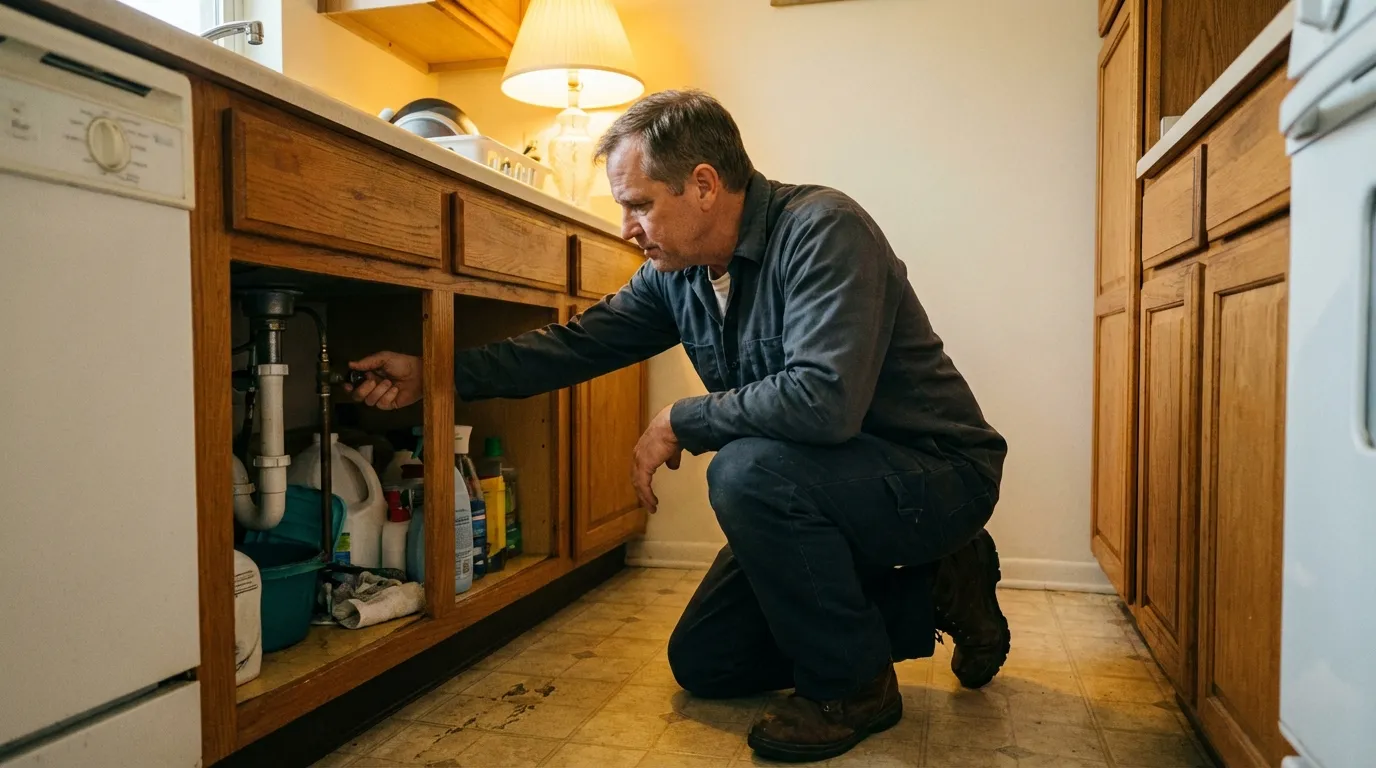
One step renters often forget is documentation. Taking photos or short videos before and after can help if questions come up later.
If the problem keeps going after this, stop. That’s usually the sign it’s time to call for emergency plumbing support. For related advice, see How to Stop Water Leak Before Plumber Arrives.
Plumbing Problems Renters Should Never Fix
When plumbing goes wrong, the most dangerous problems are often the ones you can’t see. In rental homes, issues with pipes, water pressure, sewage, or shared building systems are usually not safe for renters to deal with on their own. You might not see these systems every day, but you definitely notice when something breaks.
The hard part is how quickly damage can spread. Even fixes done with good intentions can cause bigger problems. A small drip can turn into wet floors or walls fast, especially when water is under pressure.
Do not attempt to fix:
- Burst or leaking supply lines
- Sewer backups or sewage smells (that smell alone is often a warning sign)
- Water heater leaks or failures
- Frozen or cracked pipes
- Any problem that requires opening walls or floors
Problems like these can make a home unlivable, sometimes for longer than renters expect. Housing law experts often say landlords must keep key systems safe and working.
A unit need not be pristine, but a landlord is required to keep it safe and fit to live in.
There’s also the issue of responsibility. Trying to fix things yourself can break a lease or make you responsible for damage, including leaks that affect a neighbor through shared pipes.
And with fewer plumbers available these days, wait times are often longer than they used to be.
The U.S. faces a growing shortage, forecast to hit 550,000 plumbers by 2026, due to a quickly retiring workforce and high churn rates.
So if something feels unsure, stopping and calling a 24/7 plumber is usually the smarter choice. It often protects everyone involved, in my view.
Knowing Your Renter Plumbing Rights in an Emergency
Renter plumbing rights exist to protect health and safety, and that’s usually what matters most. The exact rules change from state to state, which can feel confusing, but many shared standards show up across the country. Even when laws differ, a few basics usually stay the same.
So what is the landlord responsible for? In most rentals, that means hot and cold running water, working toilets and sewer lines, supply pipes that don’t leak into cabinets or walls, and water heaters that are safe and able to produce usable hot water. These aren’t bonuses or upgrades. They’re basic systems every rental should have.
When one of these breaks, contacting the landlord as soon as possible is important. Many property managers try to respond within 24 to 48 hours, even if the full repair takes longer.
Not sure if an issue counts as urgent? Checking an emergency plumbing checklist can help. The guide in Emergency Plumbing Checklist for Homeowners is often reliable for spotting serious problems, and many of the same issues apply to renters too. Additionally, you can read Best Emergency Plumbers: What to Look For to understand what makes a professional trustworthy during a crisis.
If the landlord can’t be reached while damage keeps happening, some leases allow renters to call emergency services. That’s why reading the lease matters. Keep records of calls and messages, especially when timing becomes important.
How to Respond Fast Without Making Things Worse
Those first 15 minutes in a plumbing emergency often decide how messy the rest of the day becomes, probably more than most people expect. What usually helps is keeping things simple and calm. When stress stays under control, small steps can limit water damage instead of letting it spread, especially at home.
So what helps right away? Stopping the water source is often the biggest win. Pausing normal sink or toilet use can help until things settle. If water is already spreading, towels or nearby containers can protect the areas that matter most. It also helps to contact the landlord or property manager early so everyone stays informed. And when the situation feels urgent or overwhelming, calling a 24/7 emergency plumbing service is often the practical choice.
Quick calls go smoother with some direction. The article What to Ask Emergency Plumber Before Hiring covers fast questions that can help you feel more confident in the moment.
Prevention matters more than many people realize. Reporting slow drains early or knowing where shutoff valves are can help, even for renters. Seasonal issues can catch people off guard, so How to Prepare Plumbing for Winter helps spot cold-weather risks before they turn into emergencies.
When in Doubt, Protect Yourself and Call for Help
Emergency plumbing for renters often comes down to balance in real situations. Acting fast can help, but knowing when to stop matters just as much, and that line isn’t always clear. Simple steps like turning off the water or taking photos of the damage are usually safe to do on your own. Larger repairs, though, often cross into work that’s better left alone, with no guessing.
Renter plumbing rights are there so you can ask for repairs without extra stress, and many people overlook that. Learning about common apartment plumbing issues helps you spot a real emergency early, before it gets worse. Having access to a trusted 24/7 emergency plumber can bring peace of mind, especially late at night.
If water keeps spreading or sewage is involved, that’s the point to pause and call a professional instead of waiting while the problem grows.