When to Replace Your Plumbing System: A 2026 Guide for Aging Homes
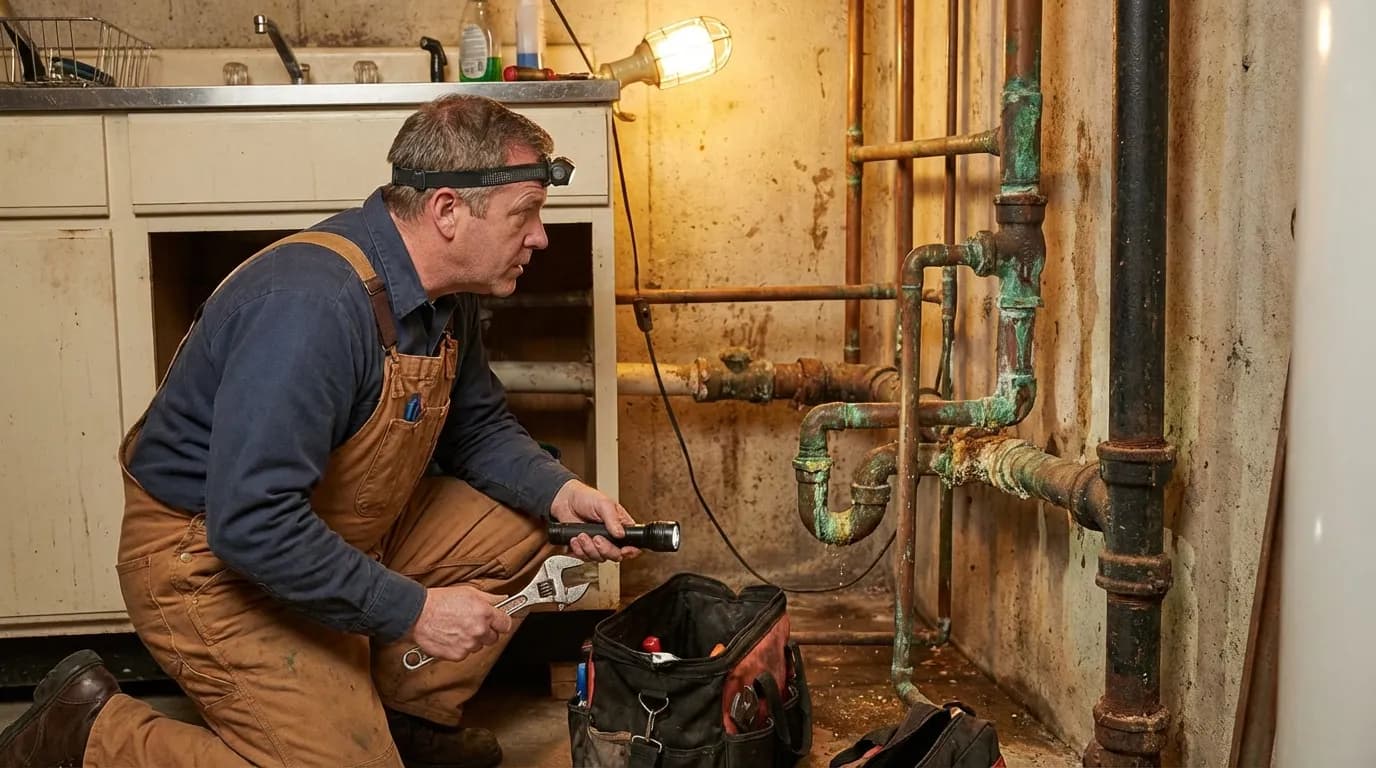
TLDR; Aging home plumbing often fails quietly before causing sudden, costly emergencies, so understanding system lifespan and early warning signs like discolored water, recurring clogs, or leaks is critical. The article explains when repairs are no longer enough, how emergency failures happen, and why modern materials can greatly reduce future risk. It highlights the impact of outdated plumbing on safety, insurance, and home value, with guidance for homeowners, renters, and multi-unit properties. The key takeaway is to plan proactive inspections, budget for replacement before a crisis, and choose modern upgrades to avoid panic-driven decisions and emergency damage.
Plumbing problems rarely come with a loud warning. Most of the time, they show up quietly, which makes them easy to ignore. It might begin as a slow drip under the sink or a faint brown tint in the tap water. Maybe a drain never fully clears, no matter what you do. These small issues often appear little by little. Then, with almost no warning, everything goes wrong at once, a flood at 2 a.m., and you’re forced to react instead of plan ahead.
If you’re reading this in the middle of a plumbing emergency, take a moment to pause and breathe (even though that’s hard). You’re not the only one dealing with this. A lot of homeowners end up here, especially in older houses. The stress can pile up fast. Understanding when certain plumbing parts should be replaced, or when the whole system needs work, can make it much easier to avoid the same mess again. In my view, that matters more than most people realize.
Replacing old plumbing isn’t only about comfort. It affects safety and health, and it helps stop serious damage like soaked walls or warped floors. Pipes don’t last forever. As they age, quick fixes stop holding up, emergencies happen more often, and repair costs usually climb.
This guide is for homeowners who want clear answers without the fluff. It explains how long plumbing systems last based on material and points to warning signs you shouldn’t ignore. It also looks at emergencies, costs, and what to do when something breaks.
You’ll find prevention steps too, simple, practical ones. For older homes, this guide helps explain what to do next and when calling a 24/7 emergency plumber makes sense, ideally before another late-night surprise.
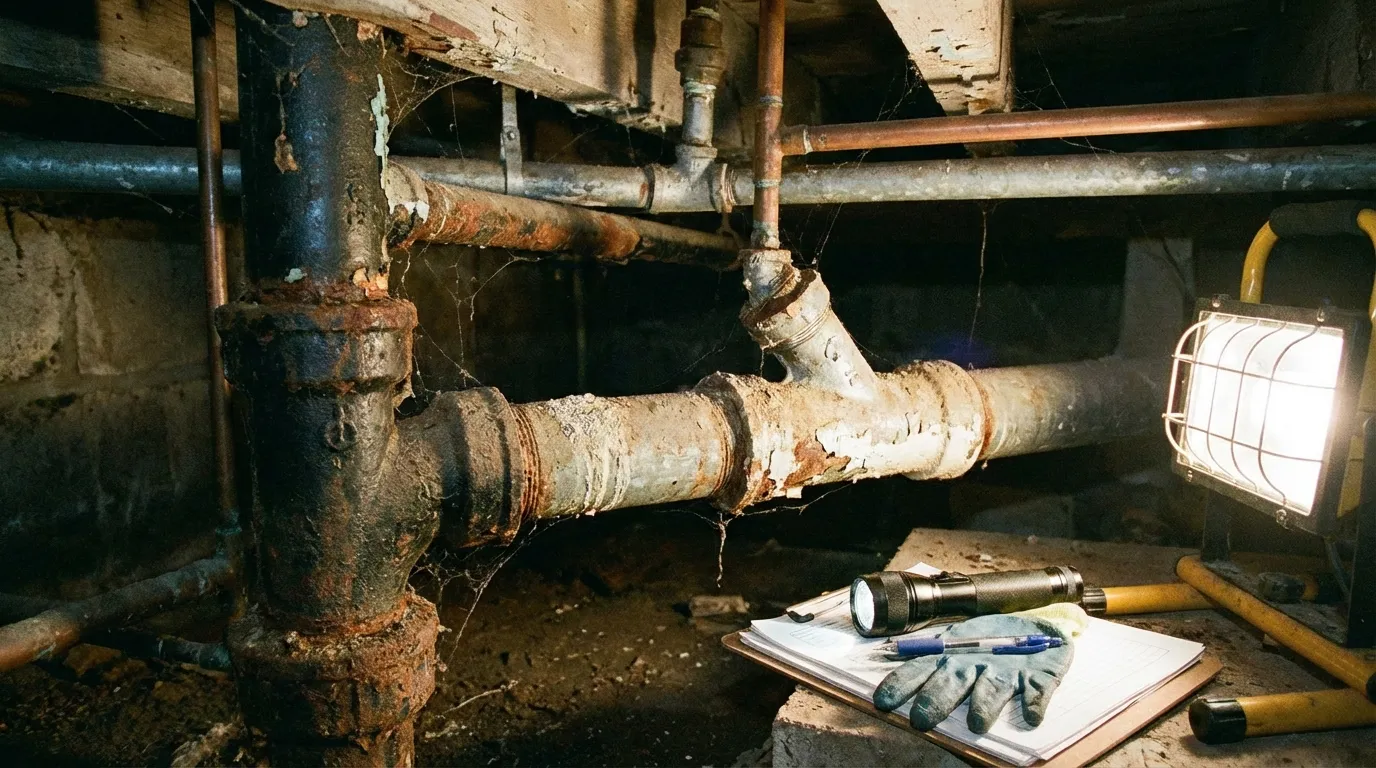
Understanding Plumbing System Lifespan in Older Homes
Plumbing systems don’t last forever, and this is usually more obvious in older houses. Pipes run behind walls and under floors for decades, quietly dealing with water pressure, mineral-heavy water, temperature swings, and corrosion. Since all of this happens out of sight, it’s easy to forget the system is getting older. Over time, though, wear moves from a distant concern to something many owners should expect in homes built long ago.
How long a plumbing system lasts mostly comes down to pipe material and how well it was installed. Many houses built before 1980 used materials that slowly break down from the inside. Because this damage stays hidden, problems often show up suddenly and can be severe, which is frustrating. In most cases, there’s little to no warning.
Water conditions in older neighborhoods also matter a lot. Hard water speeds up mineral buildup, slowly shrinking the inside of pipes. Acidic water eats away at metal lines faster. Homes using well water can wear out sooner when filtration wasn’t added or cared for, which happens more often than people think. Over the years, these issues stack up.
Here is a clear look at common pipe lifespans based on current industry data. Just the basics.
| Plumbing Material | Typical Lifespan | Emergency Risk Level |
|---|---|---|
| Cast iron drain pipes | 75, 100 years | High after 60 years |
| Copper supply pipes | 50, 100 years | Medium to high |
| Galvanized steel pipes | 20, 50 years | Very high |
| PVC pipes | 25, 40 years | Medium |
| Brass pipes | 40, 70 years | Medium |
Homes with galvanized steel face the highest risk. These pipes rust from the inside, so water flow drops and pressure can change from room to room. In some cases, pipes fail without warning, which can be sudden and messy.
According to the U.S. Census Bureau, the average American home is now over 40 years old (U.S. Census Bureau). That means millions of houses are at or past the safer window for their original plumbing systems, which is a lot of homes.
As pipes near the end of their usable life, emergency plumbing calls often rise fast. At that point, options are limited, and homeowners are usually reacting instead of planning ahead.
Warning Signs Your Plumbing System Is Failing Right Now
Some plumbing problems are minor hassles that slow things down. Others point to bigger trouble that won’t clear up on its own. Knowing the difference helps protect your home and can save you from costly repairs later. It’s basic information, but it’s often what homeowners wish they’d noticed sooner.
The tricky part with these signs is timing. They usually show up shortly before a real plumbing emergency, not after. That gap gives you a chance to act before water damage spreads into walls or floors. The window can be short, but it’s often there.
One clear warning is low water pressure throughout the house. This often points to corrosion inside the pipes or lines that have slowly narrowed over time. Fixing one small section usually doesn’t solve it, which is why the pressure keeps dropping.
You might also see rust-colored or cloudy water. That’s a sign metal pipes are breaking down from the inside. Over time, this can affect drinking water and wear down sinks, tubs, and appliances.
Frequent leaks are another sign. If one leak gets repaired and another shows up soon after, the problem is often the aging system itself, not one bad spot.
Strange noises matter too. Banging or rattling pipes often connect to pressure issues or loose sections that are close to failing.
Sewer smells indoors are especially serious. They often point to cracked drain lines or collapsing cast iron pipes, which can make the space unhealthy.
Slow drains in several rooms can signal a main line issue, which is why chemical cleaners rarely fix it.
If you’re unsure how urgent a problem is, we covered this in a guide on how to tell if a plumbing issue is urgent. I think it helps you decide when to act fast, especially if low pressure and brown water show up together.
Emergency Plumbing Failures Common in Aging Homes
Plumbing in older homes often breaks down in predictable ways, and spotting those patterns can make emergencies easier to manage. When homeowners know what usually fails first, they tend to react faster and with less stress, which often leads to smarter choices for the home.
One of the most damaging problems is burst pipes in older metal lines. Years of corrosion slowly wear down pipe walls. A pressure spike or quick temperature change can then cause a rupture. Water moves fast through floors, walls, and hidden wiring, so the damage rarely stays in one visible spot. That’s why these situations get out of hand so quickly.
Sewer line collapse is another common issue, especially in cast iron systems. These pipes break down from the inside. When they fail, wastewater can back up into tubs or showers without warning. Cleanup is expensive, and health risks make this one of the tougher problems homeowners face in real life.
Hidden slab leaks are quieter but can be just as expensive. Supply lines under concrete fail, and many homeowners notice higher water bills long before any damage shows indoors. They’re easy to miss unless someone is watching closely.
Tree root intrusion adds more risk. Older clay or cast iron sewer pipes crack, roots grow inside, and eventually block the line. This often happens slowly, then suddenly stops everything.
Water heaters fail as well. Tank units over 10 years old can rupture without warning and dump large amounts of water inside the home (Mr. Rooter). Insurance data shows burst pipe damage often costs between $5,000 and $15,000 per incident (Becker’s Plumbing HVAC).
When emergencies keep happening, full replacement is often the safer option over time.
Repair vs Replacement During a Plumbing Emergency
A lot of homeowners ask the same question at 3 a.m.: can this be fixed, or is it time to replace it? It’s a stressful situation, usually with water showing up where it shouldn’t. There’s no warning and no time to plan, just a quick choice that needs to be made.
In many cases, a repair makes sense when the damage is small and easy to pinpoint. For example, a single cracked joint in a newer plumbing system can often be fixed fast, with less mess and much less cleanup afterward.
Ongoing issues can change that answer. When leaks keep appearing in different spots, it often points to a system that’s starting to break down overall. That’s frustrating, but it helps to catch it early.
Age matters more than many people realize. Once pipes are past their expected lifespan, repairs often turn into short-term fixes that don’t hold up.
Damage to walls and floors is also part of the decision. Opening the same areas again and again for emergency fixes can quietly raise repair costs.
Cost connects all of this. Paying for emergency repairs year after year often ends up costing more than planning a replacement.
According to InterNACHI, plumbing systems often fail inside before leaks are visible. In older homes, full replacement is often safer and more cost-effective than repeated emergency repairs (InterNACHI).
A licensed plumber can inspect the system and explain the options clearly, which makes the choice much easier.
Modern Plumbing Materials That Reduce Emergency Risk
Plumbing tech has changed a lot, and you really notice it when something breaks. Today’s materials are safer, easier to handle, and built to help during burst pipes, leaks, or sudden backups, usually when stress is already high. These upgrades aren’t just ideas on paper. They show up during real, time‑sensitive repairs, and that can make things easier in the moment.
One of the biggest changes is PEX piping. It’s now common in many homes because it bends around corners, handles freezing better than rigid pipe, and installs quickly when time matters. For emergency replacements, it’s often the most practical option.
Copper is still widely used, and usually for good reason. When installed properly, it resists bacteria and handles high water pressure well. It’s old school, but it lasts.
Modern drain lines often use PVC or ABS. These materials resist corrosion and usually stop root intrusion better than cast iron, which can mean fewer underground problems.
Many newer systems include shutoff manifolds. Being able to shut off water to one fixture can limit damage if a leak starts, especially overnight.
After major failures, emergency plumbers often suggest partial or full repiping with PEX. In most cases, that lowers future risk and makes later repairs faster. Industry reports show more homes over 40 years old are moving toward full replacement, especially when cast iron or galvanized steel is still in place (Jobber Plumbing Industry Report).
How Aging Plumbing Impacts Home Value and Safety
The expensive side of plumbing trouble is often the damage you don’t notice. Beyond everyday comfort, it can affect resale value, insurance outcomes, and health all at once. These problems don’t appear right away, but when they do, the costs can climb quickly.
Homes with outdated plumbing often fail inspections. When that happens, buyers may ask for price cuts or decide to walk away, with little discussion.
What happens when insurance gets involved? Providers may refuse coverage for known plumbing risks, and that alone can halt a sale sooner than expected.
Old pipes can raise health concerns by letting metals seep into water or by allowing sewage exposure. Ongoing leaks also lead to mold, which can spread quietly while causing breathing problems and long-term structural damage.
Simon Koenig, Director of Plumbing and Infrastructure, explains why many homeowners choose to upgrade. It’s usually about keeping people safe while also protecting home value.
The ongoing housing shortage, paired with the fact that the average home in the U.S. is now more than 40 years old, will prompt homeowners to address problems in their current homes. Many will choose to invest in improvements that not only maintain but also add value to their homes with upgrades, ensuring they remain functional and in prime condition for many more years to come.
Emergency Prevention Steps Every Homeowner Should Take
Surprise pipe failures don’t always need instant replacement, but prevention makes leaks less likely. A place to start is the main water shutoff. Practice turning it off before something breaks. Exposed pipes need attention too, since rust or moisture can point to slow leaks, especially in basements.
Why not add water leak detectors near heaters and under sinks? They’re helpful overnight. Homes over 30 years old can hide problems, so a professional inspection makes sense. Flushing the water heater yearly cuts buildup, and skipping chemical drain cleaners helps systems last longer. We covered this here, btw, in emergency plumbing checklist for homeowners.
Special Considerations for Renters and Multi-Unit Homes
A plumbing emergency can make renters feel stuck, and it’s usually stressful. Acting quickly often helps. It’s smart to report leaks as soon as they appear, and photos of damage, even small signs, often matter later. Small details have a way of coming back. Knowing local habitability rules also helps, since water or sewage problems are usually clear emergencies. In condos or other multi‑unit buildings, shared plumbing raises the risk: one leak can spread in hours, with water moving from one unit to the one below. Older buildings with mixed piping need coordination, and property managers often see fewer losses when inspections and replacements are planned around timing.
Planning a Full Plumbing Replacement Without Panic
Having 24/7 emergency support often matters when a full replacement is on the table, since surprises like to show up at the worst times. A replacement can feel overwhelming, but splitting it into clear steps is usually easier to handle and less stressful. One helpful step is getting an inspection to see what materials are already there. Clear pricing also helps, especially when the difference between partial and full replacement is clearly explained. What about emergency timing and access needs? Talk through permits and possible wall repairs so expectations stay realistic, including which walls may need to be opened.
Common FAQs (probably)
Frequently Asked Qs?
When should I replace my plumbing system in an old home?
Ongoing leaks are a clear warning and usually shouldn’t be ignored. Around 40 years, many experts recommend a check, especially with galvanized or cast iron pipes. When issues start appearing, replacing the system often makes more sense, in my view.
Is old home plumbing replacement worth the cost?
Yes, I think so. Peace of mind matters: frequent emergency repairs often cost more over time (you’ve seen it) and increase water-damage risk, while new plumbing improves efficiency and helps resale value.
So yes, you can. Most homeowners start with supply lines, then deal with drains later, based on risk and budget. It’s a phased plan shaped by what the inspection finds.
How long does a full plumbing replacement take?
Access usually sets the timeline; slab foundations can stretch it. Most homes finish in 3 to 7 days, pretty typical, though it depends on how easy the pipes are to reach.
Should I call an emergency plumber or wait?
So if you have active leaks, sewage backing up, or no water, it usually means you need a 24/7 emergency plumber right away, these problems don’t wait.
The Bottom Line for Aging Home Plumbing
In older homes, plumbing problems often show up at the worst times, which is why timing matters more than many homeowners realize. Plumbing systems don’t last forever, and the real question usually isn’t if something will go wrong, but when it shows up. That part is fairly predictable.
Knowing how long plumbing usually lasts makes early warning signs easier to spot. Low water pressure in the shower or rust‑colored water from the kitchen tap often point to a problem starting, even though those signs are easy to brush off.
Replacing old plumbing often costs less than dealing with repeated emergencies and can lower the chance of damage to walls, floors, or ceilings. Planning ahead usually leads to fewer surprises, which helps people worry less.
Waiting too long often ends up costing more. A smart option is to plan inspections and replacements ahead of time instead of reacting under stress.
If a problem becomes urgent, shut off the main water valve and call a trusted 24/7 plumber. Acting fast, especially on a weekend night, can keep damage limited to one room instead of the whole house.