Sewer Backup Emergency: What to Do and When to Call Help
TLDR; Sewer backup emergencies happen suddenly and can pose serious health and property risks, so recognizing early warning signs like slow drains, gurgling noises, or sewage odors is critical. If a backup occurs, stop using water immediately, keep people away from contaminated areas, and shut off electricity if needed, then call a professional once sewage is involved or the cause isn’t obvious. Common causes include clogged or damaged sewer lines, tree roots, heavy rain overwhelming systems, or aging infrastructure, and DIY cleanup or fixes often fail and increase exposure to harmful bacteria. Long-term prevention includes regular inspections, proper drain use, installing backwater valves, understanding insurance coverage, and planning ahead to reduce future risk and costs.
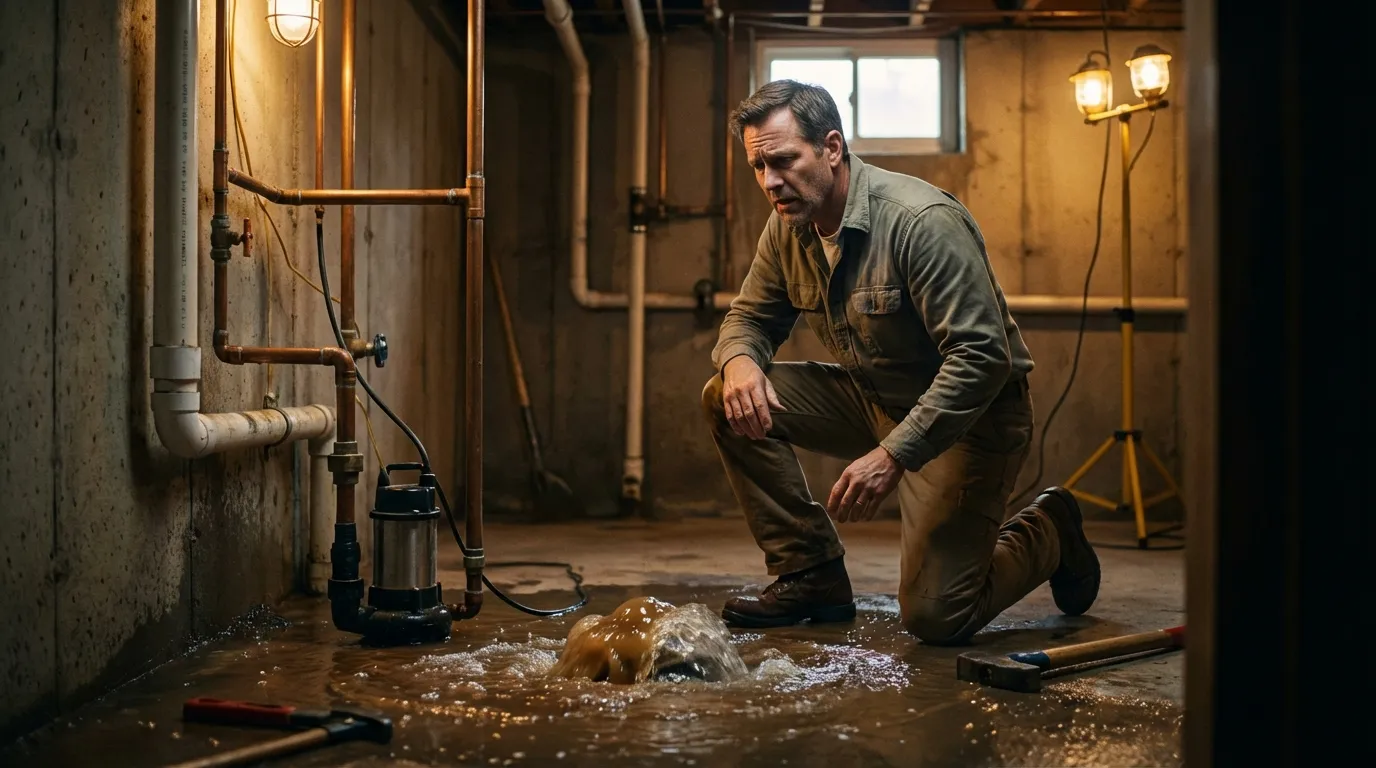
A sewer backup emergency is the kind of home problem that shows up out of nowhere and quickly feels overwhelming. One minute, everything seems normal. The next, dirty water starts coming up through a floor drain or toilet (often in a basement or bathroom), the smell is strong, and panic usually kicks in. There’s often no warning. If this is happening right now, it helps to know you’re not alone. Sewer backups happen more often than many homeowners think, and what you do in the first few minutes of a sewer backup emergency can make a real difference for both health inside the home and how large the repair bill ends up being. It’s stressful, and clear thinking is hard in moments like this (most people freeze).
Handling a sewage backup is nothing like dealing with a simple sink clog. Raw sewage is dangerous. It carries bacteria, viruses, and other contaminants that shouldn’t spread across floors, walls, or personal items. One wrong move can make the situation worse or put people at risk. This is serious. Waiting too long usually means more damage, turning a bad problem into a much bigger and more expensive cleanup. At the same time, rushing in without knowing what you’re doing can be just as risky, which is where things get complicated.
This guide walks through what to do during a sewer backup emergency, step by step, in a clear and simple way. It explains common warning signs, what can help limit damage right away, and why those early minutes matter so much. It also explains when calling a professional plumber is necessary instead of optional, so you’re not stuck deciding while water keeps rising. You’ll find information on prevention and insurance concerns too, along with ways to prepare so this kind of emergency is less likely to catch you off guard again, as it often does.
Whether sewage is already backing up or you’re seeing early signs, this article is meant to help you make calm, practical choices during a chaotic moment, which situations like this often are.
Understanding What a Sewer Backup Emergency Really Is
A sewer backup emergency usually begins when wastewater can’t move out of a home through the sewer line the way it’s supposed to. Instead of flowing away, it reverses and comes back inside through drains, toilets, tubs, or floor drains (and yes, it’s every bit as unpleasant as it sounds). This is not clean water. It’s classified as black water, meaning it often contains waste and bacteria that can quickly create serious health concerns for everyone in the home, including pets.
What makes this situation especially serious is how many parts of the plumbing system can be affected at once. A simple sink clog is usually limited to one spot and mostly just annoying. A sewer backup is different. It rarely stays small. It often spreads quickly, hitting the lowest drains first and then moving upward as pressure builds in the line. Basements and ground-level bathrooms are usually the first areas affected, which is why damage often starts there before spreading to other parts of the house.
Many homeowners think sewer backups only happen during heavy rain. That belief comes up a lot, but it doesn’t tell the full story. Storms can contribute, but backups often start from everyday issues inside the system. Grease buildup from kitchens. Debris that should never go down a drain. Tree roots breaking into pipes. Older sewer lines that don’t hold up like they used to. Problems like these can cause serious backups even when the weather is perfectly normal.
National and city data shows that sewer backups aren’t rare. They happen more often than people expect, and many homeowners deal with one at some point, whether they’re prepared or not.
| Data Point | Statistic | Year |
|---|---|---|
| Annual U.S. sanitary sewer overflows | 23,000, 75,000 | 2025 |
| Homeowners with a home repair emergency | 81% | 2025 |
| Sewer backups caused by grease in NYC | 64% | 2025 |
| Sewer backups caused by debris in NYC | 20% | 2025 |
Early Drain Backup Signs You Should Never Ignore
Sewer backup emergencies usually give some warning before they turn into a real mess. The trouble is that those early signs often feel small and easy to brush off. A slow drain here, a strange noise there. It can all seem harmless at first, until it suddenly isn’t. Paying attention early can mean the difference between a quick repair and a stressful, expensive cleanup later. A bit of awareness at the right moment often helps more than people think.
One of the clearest drain backup signs shows up when more than one fixture acts up at the same time. You might see the shower draining slowly while the toilet starts bubbling, which is never a comforting combo. In some homes, the kitchen sink backs up whenever the washing machine runs. When several problems show up together, it usually points to a main sewer line issue, not just one clogged pipe. Since that line is shared, ignoring it often allows the problem to spread through the house.
Other warning signs are easier to miss but still matter. You may hear gurgling sounds from drains or toilets after using water in another room. Strong sewage smells are another clue that something’s wrong, and once they start, they’re hard to ignore. Water backing up into tubs or floor drains is an obvious red flag, as is slow drainage after heavy rain, especially in homes with basements. Some homeowners even notice very green patches of grass in the yard, which can suggest a leaking sewer line underground.
Municipal wastewater utilities see these patterns again and again, and their advice is usually reliable because it comes from real cases. Homeowners often notice these symptoms days or even weeks before a full sewage backup happens (Westmoreland County Sanitary Authority). That time gap matters. Acting early often keeps a manageable issue from turning into an emergency.
If you notice any of these signs, it’s a good idea to act sooner rather than later, even if you hope it’s nothing. It can also help to review urgent warning signs, just to be safe. Those are covered in the guide on signs you need an emergency plumber right now, written with homeowners in mind.
What to Do Immediately During a Sewer Backup Emergency
When sewage starts coming back into a home, the first few minutes often matter more than people think. The choices made right away can shape how much contact and damage happen next. The goal is simple: reduce risk and keep the situation from getting worse. Acting quickly doesn’t mean rushing into things, though. Steps that add pressure to the plumbing or spread contamination can quietly cause bigger problems.
A smart first move is to limit access to the affected area. Raw sewage contains harmful bacteria, and it’s not something anyone should touch or walk through. Kids and pets should be kept far away from standing water. Closing doors or blocking off the space can help keep the mess contained and stop it from spreading into nearby rooms.
Water use is another big concern. Any water used elsewhere in the house can force more wastewater into the backed-up line. That means sinks, toilets, dishwashers, and washing machines should all stay off. It’s inconvenient, but waiting usually keeps the sewage level from rising higher.
If it can be done safely, turning off the home’s main water supply may slow the backup or stop extra overflow. Plungers and chemical drain cleaners should be avoided. They rarely fix sewer backups and can damage pipes or cause injury when pressure is already building.
If it’s safe to do so, opening windows can help reduce odors and improve air quality. Moving valuables or furniture to higher ground is okay for now. Full cleanup and disinfection are better handled by professionals. For step-by-step help, see the Emergency Plumbing Checklist for Homeowners, which can guide you through immediate response actions.
There’s a video below that explains what happens during a sewer backup and why quick action in those early moments often makes a real difference.
When a Sewer Backup Becomes a Job for a Professional
The moment sewage starts coming up through a floor drain or backing into more than one fixture, the situation usually moves past “wait and see.” That kind of backup often points to a deeper issue, not a short-term clog. Some homeowners hope it will clear on its own (and plenty have tried waiting it out), but a few hours or even overnight rarely helps. In most cases, nothing changes.
A simple way to think about it: when the problem keeps coming back even after the water is turned off, it often leads to the main sewer line. That’s when calling a 24/7 plumbing service makes sense. These signs usually point to a blockage or damage that needs special tools to fix. This isn’t something that gets better with guessing or quick DIY attempts.
Professional plumbers use equipment most homeowners don’t have access to. Sewer cameras let them see what’s actually going on inside the pipes. Hydro jetting and other heavy-duty cleaning tools can clear buildup without damaging the system. They also use proper containment gear to control the mess. In my experience, this is often why the real issue gets fixed instead of the same backup showing up again a few weeks later.
There’s also a health concern. Public health agencies warn that contact with untreated sewage raises the risk of infections like E. coli and hepatitis A, along with stomach-related illnesses (U.S. Environmental Protection Agency). That’s a risk most people don’t want to handle on their own.
If choosing help during an emergency feels overwhelming, this is covered in best emergency plumbers and what to look for. It focuses on what actually matters when time is tight, like finding someone ready to handle a main line backup at 2 a.m. You can also review the Complete Guide to Finding Local Emergency Plumber for details on how to choose the right service for a sewer backup emergency.
Common Causes Behind Residential Sewer Backups
Knowing why sewer backups happen usually makes it much easier to stop them from happening again. In most homes, the cause usually falls into a few familiar groups. There’s nothing strange or complicated here, just everyday habits and aging systems. These are the kinds of things most people don’t think about until there’s a problem.
One of the most common issues is grease buildup. Pouring cooking oil or grease down the drain can seem harmless at the time. Inside the pipe, though, it cools and hardens, then sticks to the pipe walls. As time passes, it catches food scraps and other debris, slowly shrinking the space water needs to flow. This process is slow. It can take months or even years, which is why a backup can feel like it came out of nowhere.
Tree roots are another common cause, especially in older neighborhoods. Roots look for moisture and can squeeze into sewer lines through tiny cracks. Once inside, they keep growing and form a dense mass that traps toilet paper and waste. This kind of damage stays hidden until it becomes serious.
Aging infrastructure is also a factor. Many homes still have clay or cast iron pipes, and those materials wear down over time. Pipes can rust, shift, or partly collapse underground. Clean Water Action points out that delayed upkeep and older sewer systems raise the risk of backups in older areas (Clean Water Action).
Heavy rain usually doesn’t cause the issue, but it often exposes it. Extra water puts stress on a system that’s already struggling, like when a basement drain backs up after a heavy storm.
Cleanup Risks and Why DIY Fixes Often Fail
One of the most surprising things about a sewer backup is how risky it can be, even when it looks under control. Homeowners often jump into cleanup right away, which is understandable, waiting feels awful. But without the right gear and training, that fast reaction can quietly put health at risk. There usually aren’t obvious warning signs. The danger comes from exposure, and that part is easy to miss.
Raw sewage is considered Category 3 water contamination, and it’s serious. It contains pathogens that can cause illness through skin contact or by breathing in tiny particles. Even areas that look clean can still have residue, often hiding in places people don’t think to check, like under flooring.
DIY cleanup often causes more problems than it solves. Regular mops and household vacuums can spread bacteria into rooms that were never affected. And if materials like carpet padding or drywall aren’t taken out and thrown away the right way, issues can stick around long after the smell is gone.
That’s why people call in professional plumbers and remediation teams. They wear protective suits, use industrial disinfectants, and rely on controlled drying tools to figure out what needs to be removed and what can safely stay. In my experience, that know-how matters.
There’s also the paperwork side to think about. Insurance claims often depend on photos and professional reports. If a report is missing, reimbursement can be delayed, even when everything looks cleaned up.
Prevention Steps That Lower Your Risk Long Term
Once the emergency is handled, prevention usually becomes the real focus, and that shift often makes the biggest difference. A few everyday habits and basic checkups can seriously reduce the chances of another sewer backup later on. Small changes tend to add up faster than people expect, especially in this situation.
One of the biggest risk factors often starts in the kitchen. Grease and oily food scraps don’t belong in drains, even when they seem harmless at the time. Simple sink and tub strainers also catch more debris than most people realize during daily use. And when it comes to the toilet, only toilet paper and human waste should go there, even if something claims to be “flushable.” Routine drain inspections can help too, especially in homes over 20 years old where pipes have seen plenty of use. It’s usually worth doing.
Smart water sensors are becoming more common, and for good reason. They monitor water flow and point to unusual drainage, leaks, or pressure changes early, giving homeowners time to act before a backup gets messy.
Backwater valves are another option many homeowners choose. They let sewage flow out but block it from coming back in, which is especially helpful for basement bathrooms or homes below street level. That extra layer of protection can bring real peace of mind.
More details are covered in the guide on sewer backup prevention tips for homeowners, with practical steps people can actually use. Simple and helpful.
Insurance, Costs, and Planning Ahead
Insurance coverage is often the first surprise after a sewer backup. Many standard homeowners policies don’t cover sewer backups unless you add a specific rider or endorsement. Most people only find that out after something goes wrong. That timing is tough, and it’s a bad moment to be reading policy fine print for the first time.
Costs can vary a lot depending on what’s happening. Small blockages might stay in the few-hundred-dollar range, which usually feels manageable. Bigger problems can climb fast, especially when sewer line repairs also mean cleanup and restoration, the dirty, disruptive part. Those situations can reach the thousands, or even tens of thousands, depending on how far the damage spreads. Knowing what your policy covers ahead of time can ease some stress, since you’re not guessing about limits or gaps.
Planning ahead also helps. An emergency fund makes a difference, and having a trusted 24/7 plumbing service ready can save time and often limit damage, less panicked Googling during a crisis. For more preparation steps, check out How to Prepare for Plumbing Emergency at Home.
Cities and states are investing billions in sewer infrastructure (New York Lawyers for the Public Interest), but homeowners still carry much of the risk when backups happen. To me, that’s the hardest part.
Frequently asked Qs
What is the first thing I should do during a sewer backup emergency?
Safety usually comes first during a sewer backup. Stop all water use right away, even if it’s annoying, to prevent overflow. Keep people and pets out of the area, and when it feels safe, use your judgment to shut off the main water. Calling a plumber can help confirm what’s happening next, like a blockage.
Are sewer backups dangerous to health?
Yes. Raw sewage often contains harmful bacteria and viruses (gross, I know). Touching it can cause infections, and cleaning it up the wrong way can also lead to health problems (no joke).
Can heavy rain alone cause a sewer backup?
Heavy rain can overwhelm sewer systems and make problems worse, but most backups usually come from blockages like grease buildup, debris, tree roots, damaged pipes, or clogged lines. I don’t think rain alone causes it; there’s usually a blockage.
Should I try to clean sewage myself?
Basic steps are usually okay, like moving items to higher ground. Full cleanup and disinfection are often better left to professionals, since they have the right training and protective equipment.
How can I reduce the risk of another backup?
Backups can often be avoided with smart drain habits. Why wait? Regular pro inspections usually mean fewer surprises, and protective devices like backwater valves can help. When warning signs appear, acting fast makes a difference.
The Bottom Line for Homeowners Facing a Sewer Backup
A sewer backup emergency is stressful, messy, unpleasant, and sometimes pretty scary, no sugarcoating that. What often makes it worse is not knowing what’s going on, which can spiral quickly. Learning the basics often brings back a sense of control sooner than people expect. Acting fast matters, and so does staying away from sewage. Stopping water use around the house, including sinks, toilets, and showers, can keep things from getting worse. Calling a professional is a smart move when the signs point to a serious issue. Waiting it out usually doesn’t help.
Early drain backup signs, gurgling noises, slow drains, repeat clogs, sewage smells, are easy to ignore. But they often point to bigger problems, even when they seem small at first. These early warnings matter more than many homeowners think. Fixing them early can save thousands in repairs and helps protect your family’s health in very real ways.
Hoping a sewage backup fixes itself? That almost never happens. A reliable 24/7 plumbing service can find the cause, handle repairs, and explain safe cleanup and prevention so nothing gets missed.
Preparation brings peace of mind. Saving emergency numbers, checking insurance coverage, and knowing the warning signs can turn a chaotic night into something manageable, like knowing exactly who to call when the basement drain starts bubbling at midnight.